Every moment of early childhood development can make a significant impact on a child’s long-term learning. Studies show returns as high as $4 to $9 for every $1 invested in early childhood development. (One estimate showed return as high as $16.) A young child’s introduction into a learning environment improves their social, emotional, and cognitive development. Children enter the school system equipped with language, problem-solving, sharing, and educational skills.
Universal child care programs also provide immense benefit to parents. They know they are giving their child the best chance to learn and succeed as studies show benefits last into high school. Working parents are able to ensure their children are cared for while they earn an income to support their families. Data shows 70 percent of children under the age of 6 have both parents who work.
An estimated 12 million children under the age of 6 receive regular weekly care from center-based care, at home, or with relatives. A 2024 report showed working parents with young children spend up to 24 percent of income on child care. Single parents face an even more daunting task with costs as high as 75 percent of their income. The lack of child care hurts families, businesses, and taxpayers, resulting in billions of lost economic activity.
Matt will fight for universal child care. As a working father with two young sons, Matt is all too familiar with the struggle to secure affordable child care. Quality child care full-time can rival the cost of housing. With two good-paying jobs, he and his wife were only ever able to send one son to child care at a time and only for three days a week. He is determined to expand access for quality child care to every child. For their future and ours.
The growth of online gambling, cryptocurrencies, and prediction markets created a broader economic engine of extraction. These are systems which lure unsuspecting users and operate within a regulation purgatory. Scam artists—including prominent figures like the president and his family—prey upon these vulnerable users.
Gambling addiction spikes
In 2018, the Supreme Court struck down a federal ban on single-game wagers in Murphy v. NCAA. The major sports leagues embraced the gambling industry as a new source of revenue. It’s already led to a spate of scandals involving players and coaches placing wagers on their sport including their own games.
Gambling apps provide always-on access and accelerate problematic gambling behavior. The 24/7 mobile access led to increased debt. A survey in 2025 revealed 51 percent of users are $500 or more in debt from wagers. One in four reported missed bill payments because of their wagers.
Parlays, which require success on multiple legs of a wager, have low win probabilities. Yet sports bettors continue to bet parlays at astounding rates.
Cryptocurrencies and the rug pull
Crypto was created as an alternative to traditional banking and outside government control. The decentralized nature drew the interest of black hat hackers, rogue nations, and criminal enterprises such as drug cartels.
It’s drawn the interest of one particular criminal family: the Trumps. On the eve of his inauguration, the president-elect launched a memecoin—a highly volatile cryptocurrency inspired by internet memes or cultural fads with little to no actual real world value. Their popularity attracts criminals who seek pump-and-dump schemes to swindle users. This is called a “rug pull.”
The $TRUMP memecoin was no different. It quickly rose in value, peaking at $14.5 billion with $100 million in trading fees within two days. Trump secured an 80 percent stake. One of the entities behind the memecoin is owned by Trump. Then came the rug pull. 58 wallets made $10 million each on the $TRUMP memecoin with $1.1 billion in profits. 764,000 wallets lost money.
The $MELANIA memecoin was released the day before the inauguration. The price spiked—selling $15 million in tokens—before it its developers withdrew $1 million and it collapsed to 10 percent of its peak price.
Meanwhile, Trump held a significant ownership stake in the cryptocurrency venture World Liberty Financial along with the family of his special envoy Steve Witkoff. In early 2026, a UAE-linked firm bought a 49 percent stake. WLF generated $1.4 billion in 16 months.
Prediction market manipulation and immoral wagers
The history of prediction markets go back decades but the fusion with self-serve internet-based trading. There are a number of brazen problems.
Prediction markets such as Kalshi and Polymarket are prone to engagement bait. These companies, deeply enmeshed in realm of sports betting which generates most of their revenue, seek to generate news, not just bet on it.
These markets are also ripe for manipulation. This is a particularly acute threat with MAGA loyalists within the administration engaged insider trading with wagers on prediction markets on actions undertaken by the federal government:
The $436,000 payout for a wager on the capture of Venezuela leader Nicholas Maduro hours before the raid which whisked the South American leader to the U.S. Roughly a half dozen accounts on Polymarket secured $1.2 million in wagers on Iran strikes through accounts funded on a suspicious timeline.
A $553,000 payout for a wager on the death of Ayatollah Ali Khamenei in the joint U.S.-Israel strikes on Iran.
Prediction markets introduced war profiteering for the 21st century as bettors wager and win millions on recent U.S. military conflicts.
Matt is fighting to protect Americans from the rig economy. These markets, in total, constitute the emergence of a rig economy. Financial instruments which generate profit for a select few through the fleecing of unsuspecting users.
Roots of the militarization of local police departments extend back to the 1997 National Defense Authorization Act and the creation of the 1033 Program, or Law Enforcement Support Office (LESO) Program. It authorized the Department of Defense to transfer excess military equipment, vehicles, and other supplies to federal, state, local, and tribal law enforcement agencies. Following the attacks of September 11, 2001 and the expansion of the Global War on Terror, these transfers intensified over terrorism fears. Manufacturers also began marketing military-grade equipment directly to local police departments. Training programs for police departments increasingly adopted a “warrior” ethos and combat tactics.
Matt is fighting to demilitarize the police. The forever war is over but its impacts are still felt in communities around the country. It is time to end the forever war at home, too.
End the 1033 Program which transfers military surplus equipment to police departments at no cost
Reclaim the controlled equipment still under ownership of the Department of Defense, like vehicles, and redeploy them to our ally in Kyiv for the defense of Ukraine
Place restrictions on federal grant programs which fund equipment purchases
Condition federal funding contingent on local police demilitarization efforts
Provide federal funding for community policing models which show positive results over militarization
Additional transparency requirements for the acquisition and tracking of equipment transfers
Housing is too expensive. It is a financial strain that this administration made clear it has no intention to alleviate. Studies show it is a primary driver of houselessness: “high in urban areas where rents are high and homelessness rises when rents rise.” Recent data shows the median age of a first-time homebuyer is now 40 years old for the first time in history. The median age of all homebuyers jumped from 49 to 59, another record high.
Estimates on housing inventory show a shortfall which estimates range from 2.8 million to 6.5 million homes. Data from cities like Austin, Sarasota, and Berkeley showed that when housing supply is increased through a construction boom, housing prices go down.
Prices for housing construction materials increased significantly over the past year. Upward pressure by inflation, exacerbated by this administration’s belligerent tariff regime, pushes housing costs up. The need for sustainable living spaces which require more expensive components also plays a role.
A 2025 study into the costs of multifamily housing construction found California to be the most expensive state. Higher cost per square foot and 22 month longer development timelines than Texas.
Matt will fight for federal investment in housing construction, assistance for and incentives to sell to first-time homebuyers, and put an end to these disastrous tariffs. As a renter, Matt knows the difficulty searching for affordable housing first-hand. Both he and his wife grew up in homes their parents owned. Yet, like many families, homeownership is out of reach for them.
Put the power of the federal government behind a nationwide effort to build millions of more affordable housing.
Federal housing construction program to build millions of affordable and sustainable homes
Work with state and local authorities on zoning reform, reduce permit wait times and fee burdens while maintaining labor protections and environmental standards
Adopt sustainable smart growth strategies with housing and retail developed in and near transit hubs to create walkable communities
Revoke the disastrous tariffs which increase the cost of building materials like timber from Canada
Invest in apprenticeships and training programs to shore up labor shortages
Federal downpayment assistance to first-time homebuyers
Provide financial incentives for developers and homeowners to sell to first-time homebuyers
Prohibit private equity and LLCs from purchasing single family homes
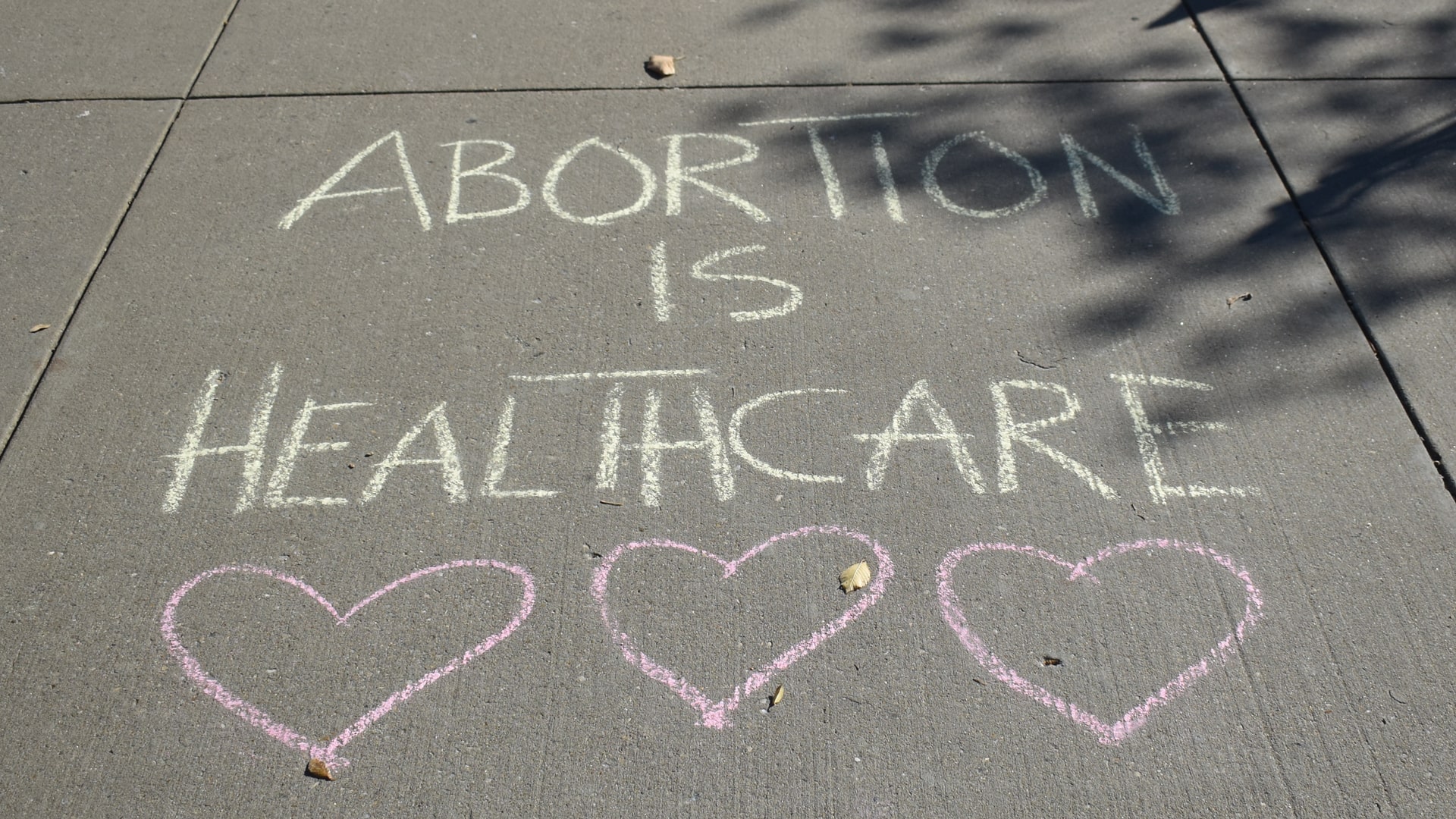
The decision on when and how to start a family is sacrosanct. It does not belong in the hands of any legislator or judge.
The situation post-Roe v. Wade is one of dramatic health and economic impacts. A 2024 study revealed the Dobbs decision led a 7 percent increase in infant mortality. Abortion bans, deeply unpopular around the country, were linked to a dramatic jump in sepsis—50 percent in Texas, for example. These burdens are, of course, borne more heavily on marginalized communities, Medicaid beneficiaries, individuals without college degrees, young people, and communities in the South.
A number of women died because they were denied abortion care when it could have saved their life.
A 2024 study found that states with the most restrictive policies experienced a combined economic loss of $64 billion as it reduced women’s labor force participation, ages 15 to 44, by 556,000.
Matt will fight to establish a national right to abortion access and protect those who seek and perform an abortion. Anti-abortion forces spent decades concocting a myriad of ways to weaken access to abortion prior to and after Dobbs. There are a number of actions Congress must undertake to restore abortion access.
Establish a statutory right to abortion with minimum standards for access
Repeal the Comstock Act to prevent a backdoor national abortion ban
Codify FDA approval of mifepristone
Shield FDA decisions from judicial meddling
Outlaw fetal personhood
Prohibit criminalization of travel to obtain an abortion
Protect those who assist an individual to obtain an abortion
Protect doctors and hospitals who perform abortions
Prohibit crisis pregnancy centers from lying to women
Prohibit government registries or databases which track personally identifying information of those who had an abortion
Prohibit civil actions and deputized private citizens as defined in Texas’ SB 8
America’s democracy is in peril. We are living through a persistent, rolling constitution crisis. This president exposed cracks in our democracy and government. An administration that is the largest existential crisis our nation faced since the Confederacy. They must be held accountable for the laws they break and the lives they upend.
In our pursuit of justice and accountability, however, we cannot lose sight of the future. We must also concern ourselves with those cracks he exploited. They did not form overnight. Nor will they vanish with Trump. The fascist movement he built will outlast him. We as Americans must commit ourselves to a long-term program of constitutional reform.
Matt will fight for historic constitutional reforms to strengthen our democracy and the rule of law. Congressional statute can only get us so far. We must also undertake the arduous task of laying the groundwork for a constitutional amendment or series of constitutional amendments as corrective.
We can make our democracy more responsive and resilient. We owe it to future generations.
By congressional statute
Voting rights, elections, and representation
Pass the John Lewis Voting Rights Advancement Act
Restoration of voting rights for the formerly incarcerated
Outlaw partisan gerrymandering
Expand the House of Representatives from fixed 435 seats set in the Permanent Apportionment Act of 1929 and guarantee proportional representation
Campaign finance reform
Statehood for the District of Columbia
Resolve Puerto Rico’s status
Assume all Puerto Rican debt, regardless of resolution
Institutional safeguards
Clarify Section 3 of the 14th Amendment to establish a national procedure for the disqualification of federal candidates in response to Trump v. Anderson
Define and clarify the Emoluments Clause in Article I, Section 9 of the U.S. Constitution to require disclosure, divestment, and require enforcement
Codify the independence of the Department of Justice, federal agencies
Establish procedures and independent enforcement to penalize the Executive for failure to comply with a court order
Strengthen protections for inspectors general and whistleblowers
The current federal minimum wage stands at $7.25 an hour—unchanged since 2009. A full-time minimum wage worker earns roughly $15,960 annually before taxes. That’s almost $1,000 below the federal poverty level (FPL) guideline for a single individual. A literal poverty wage.
With each increase in the cost of living the purchase power of minimum wage workers steadily declines. Working people need a raise.
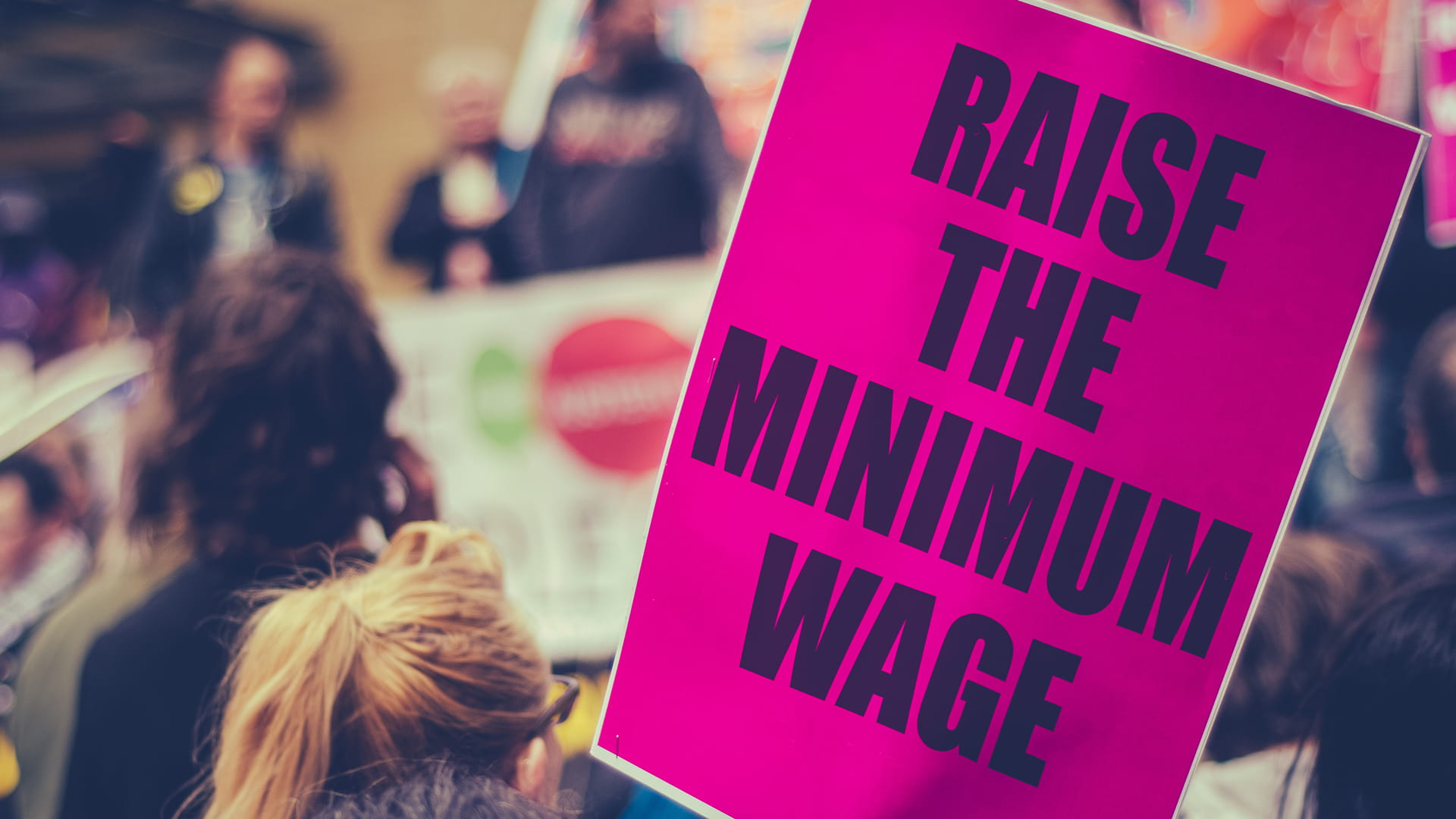
Matt is fighting to raise the minimum wage. With this administration’s disastrous economic policies increasing the cost of living for Americans, it is especially difficult on those at the bottom of the income strata.
Gradual increase of the minimum wage to $20 in 2030.
Index the minimum wage to the Consumer Price Index to avoid prolonged periods without an increase
Require quarterly reviews to ensure the minimum wage keeps pace with median earnings
Extend the transition period to 2034 for employers with under 50 employees
Increase the youth minimum wage under the Fair Labor Standards Act from $4.25 an hour to $12 an hour by 2030
Social Security, a cornerstone program of Franklin Roosevelt’s New Deal, approaches its centennial as one of the most popular federal programs. It kept as many as 20 million adults and children above the poverty line, according to a 2024 analysis.
When Matt’s mother passed away in 1992, his family was a beneficiary of Social Security’s survivor benefit. Roughly 5 million Americans received this monthly benefit following the death of a family member in 2024.
The importance of Social Security for Americans to maintain their standard of living into retirement continues to grow. Americans, half of whom are without access to retirement plans like defined benefit pensions or even 401(k)s, are unable to save for retirement due to high costs and stagnant wages. The cost of prescriptions continue to climb. This year, pharmaceutical companies raised prices of 350 drugs. This constant increase continues to take a greater share of the fixed incomes of retirees, about a quarter of whom rely on Social Security to cover 90 percent of their income.
A 2025 report from the Social Security Trustees shows full benefit payouts for the next nine years before facing a funding shortfall. Without action, Social Security could pay 81 percent of scheduled benefits from tax income.
Matt will fight to expand Social Security. Right now, earnings above a specific figure are exempt from payroll taxes which fund Social Security. By removing this cap, set at $184,500 in 2026, it would cover roughly 75 percent of the program’s projected long-term shortfall. The richest 293 Americans paid all of their Social Security taxes within minutes on New Year’s Day. It’s unfair and the wealthy can pay more to ensure the long-term viability of a critical program like Social Security. In tandem with an affordability agenda that lowers costs of prescription drugs, energy bills, and groceries, we can continue to take care of retirees.
A 2024 study of nations with similar economics and political systems found that between 2000 and 2022, the U.S. accounted for 76 percent of mass shooting incidents and 70 percent of all fatalities with only 33 percent of the combined population. In that same period only four other countries—Canada, Finland, France, and Germany—had more than two incidents compared to 109 in the States. The U.S. tops the list of firearm homicide rates among 65 high-income countries with populations over 10 million. Guns outpace car accidents as the leading cause of death for U.S. children.
What sets the U.S. apart from all other nations?
A weak social safety net
Data from 2019 and 2020 showed counties with the highest levels of poverty saw a higher increase in firearm homicides compared to counties with the lowest poverty levels.
A 2025 study found an increase in the lack of affordable rental homes for low-income people was associated with higher firearm homicide rates.
Mental health is favored deflection by gun rights activists despite the fact that most people with mental health issues are not violent. The lack of investment in mental health care services and barriers to access, however, are a failing of our economic and health care systems. More than half of all U.S. counties have no practicing psychiatrists.
It’s the guns
The gun lobby claims “guns make us safer.” The truth is actually the opposite. More guns means more gun violence. A 2004 Harvard study found that gun availability increases risks of homicide in high-income countries. Estimates from the World Bank placed U.S. gun ownership at 45 percent of all civilian-owned firearms globally with only 5 percent of the population. A 2024 analysis found the U.S. has more than three times the civilian gun ownership than Canada. A recent report found there are likely over 500 million privately-owned firearms with at least 46 percent of American households with at least one firearm.
How are there so many guns in circulation?
Gun manufacturers saw a spike in production since 2019 in comparison from previous decades with 70 million firearm purchases—13 million more than the 2000s and 17 million more than the 1990s. Once a firearm is manufactured and sold, it stays in circulation for extended periods of time with a minimal estimated attrition rate of just 1 percent. The problem is not just legal guns, either. The use of ghost guns grew 1,000 percent since 2017, according to the Department of Justice. Studies of guns recovered from crimes in several major cities found that 87 percent of firearms used to commit crimes were trafficked from other states with weaker gun laws. It is a detail that underscores the need for federal action.
Research shows weaker gun laws contribute to higher rates of gun violence with a 19 percent increase in gun deaths since 1990. States with strengthened gun laws consistently saw declines in firearm-related death rates by 36 percent.
The expansion of open and permitless carry and stand your ground laws create an environment where situations can turn deadly within seconds.
Assault weapons ban expired in 2004
Under the Assault Weapons Ban, the risk of dying in a mass shooting was 70 percent lower.
Since its expiration in September 2004, mass shootings with six or more deaths increased by 347 percent and fatalities up 239 percent. If the ban were not left to expire, it may have prevented 314 of the 448 mass shooting deaths.
Mass shootings
The wide availability of guns, particularly weapons with large magazines, drive the mass shooting epidemic in the U.S. Mass shootings occur dramatically more frequently in the U.S. compared to other developed nations. It is a pattern that is unique to the United States.
Matt is fighting for reforms to reduce gun violence. It is clear the myriad of factors driving gun violence in the U.S. Matt is fighting for a future we can afford to lift families out of poverty, build millions of affordable homes, and expand access to mental health care. But that’s only part of the battle. The nation must confront the gun crisis to save lives.
Pass the Assault Weapons Ban
Require universal background checks
Allow for the temporary removal of firearms of at-risk individuals under red flag laws
Repeal roadblocks to gun tracing data
Rescind gun manufacturer liability shield
Incentivize the adoption of authorized-use technology
Combat the spread of 3D-printed guns through the 3D-Printed Gun Safety Act
Strengthen laws on gun dealership operations on record-keeping, training, store security
A summer 2025 report revealed that outstanding federal student loan debt totaled $1.661 trillion held by 42.5 million borrowers. Over 10 percent of those federal student loan dollars were delinquent in Q2. Observers worry of a “default cliff” where a large number of borrowers default on their loans.
The administration’s plan on student loan debt is to garnish wages from more than five million borrowers in 2026.
Matt will fight for student loan debt cancellation. A college graduate in 2006, he knows the struggle to pay off student loans first hand. He knows what borrowers sacrifice and what we, as a country, are missing out on from millions of Americans, young and old.
Cancellation of student loan debt would free millions of borrowers to secure a better financial foundation for themselves. This may include the first time they were able to seriously build life savings or invest in retirement. Borrowers may be able to make milestone purchases of a new car or become a first-time home owner. Freed from student loans, borrowers can create or invest in businesses, spurring economic activity.
Our nation’s founding document declares all are created equal. We are confronted with an administration—and the political movement which swept it back into power—committed to denying these equal rights to millions of Americans including the LGBTQ+ community. It’s a campaign of erasure.
The LGBTQ+ community is under assault at every level of government. School boards, allied with far-right activists, ban books. In the last several years the ACLU tracked hundreds of anti-LGBTQ+ bills in state legislatures across the country targeting health care, driver’s licenses, and bans on facility use or athletics. With Donald Trump’s return to the White House, his administration targeted federal funding for schools over bogus claims of “gender ideology” and reversed decades of precedent on gender markers on U.S. passports.
With increased demonization of the LGBTQ+ community, violent crime against people within the LGBTQ+ community increased. A 2025 study of data from 2022 and 2023 found that LGBT people are five times more likely to be victims of crime than others. A report released earlier this year described 2025 as “one of the most dangerous years on record for LGBTQ Americans.” Half of all incidents targeted transgender and gender-nonconforming people.
Matt is fighting to protect the LGBTQ+ community and push for equality. Matt is a longtime ally of the LGBTQ+ community. In the wake of the same-sex marriage bans in 2004, he sought out renown professor, V. Spike Peterson, on the Arizona campus to conduct an independent study on marriage equality the following spring. He has long supported LGBTQ+ candidates and causes.
His allyship comes from an understanding that our futures, no matter what our background, are inextricably tied together. As President Franklin Roosevelt read from a Stephen Vincent Benét prayer in 1942, “We are all of us children of earth—grant us that simple knowledge. If our brothers are oppressed, we are oppressed. If they hunger, we hunger. If their freedom is taken away, our freedom is not secure.”
Prohibit discrimination based on sexual orientation and gender identity by passing the Equality Act
Pass the Do No Harm Act to limit how the Religious Freedom Restoration Act can be used to prevent invocation to discriminate against the LGBTQ+ community
Make HIV prevention medication universally accessible and affordable by requiring private health insurance plans cover them through the PrEP Access and Coverage Act
Pass the Real Education for Healthy Youth Act to fund comprehensive, evidence-based sex education across the U.S. with a requirement that it is LGBTQ+ inclusive
Leverage oversight powers on health care restrictions
Investigate Department of Justice subpoenas of children’s hospitals
Demand CMS cost-benefit analyses
Direct GAO to study health impacts on restrictions
Classify conversion therapy as fraudulent with the Therapeutic Fraud Prevention Act
Add sexual orientation and gender identity to the Fair Housing Act
Strengthen the Matthew Shepard and James Byrd Jr. Hate Crimes Prevention Act with increased funding for enforcement and a lowered threshold for federal intervention
Permanently end the ban on transgender people serving in the military and pass the Fit to Serve Act
This administration’s roll back of the foundation of federal climate action will only exacerbate the climate crisis and put lives at risk.
We have a moral obligation to our children and future generations to ensure they inherit an inhabitable planet. To counter the continuing effects of climate change, we must push for the Green New Deal. Our planet demands it. Our children’s future requires it.
Matt is fighting for the Green New Deal. A significant investment in renewable energy, construction, manufacturing, and retrofits will create millions of good-paying unionized jobs. A transition away from fossil fuels to clean, renewable energy would lead to reduced air and water pollution. The public health benefits would prevent hundreds of thousands of premature deaths and reduce health care costs. The abandonment of fossil fuels is a national security imperative. Domestic production of clean energy reduces reliance on foreign oil. Our economy would experience fewer geopolitical and natural disaster shocks.
The key to reducing the cost of health care is prevention and that requires access. With the expiration of the enhanced Affordable Care Act subsidies, we are moving in the wrong direction. This new year, many Americans see their premiums increase as high as three-, four-, or five-fold. The high cost will force many to go without insurance altogether. As many as 15 million Americans are expected to lose their Medicaid by 2034. Manageable health concerns may exacerbate without intervention leading to complications or even death. It’s poor policy that leads to sicker communities and higher costs for all.
Employer-based health insurance places a heavy financial burden on businesses. It disadvantages small businesses of whom only 51 percent cover partial insurance premiums in 2025. (Down from 56 percent two years ago.)
It restricts the free movement of labor. Workers may fear losing their health insurance and stay in a job with less professional growth and limited wage increases. At a time of high costs for groceries, child care, and more, it infringes on Americans’ freedom to live our lives.
The fact of the matter is that health insurance is not health care. The health insurance industry’s model is simple: profit off exorbitant premiums and deny care.
Matt will fight for Medicare for All. It will save Americans money, maintain private medical practices and bolster rural hospitals, and lead to healthier lives. Americans, with greater economic freedom, will be able to pursue professional advancement and higher wages without fear of losing their health care.