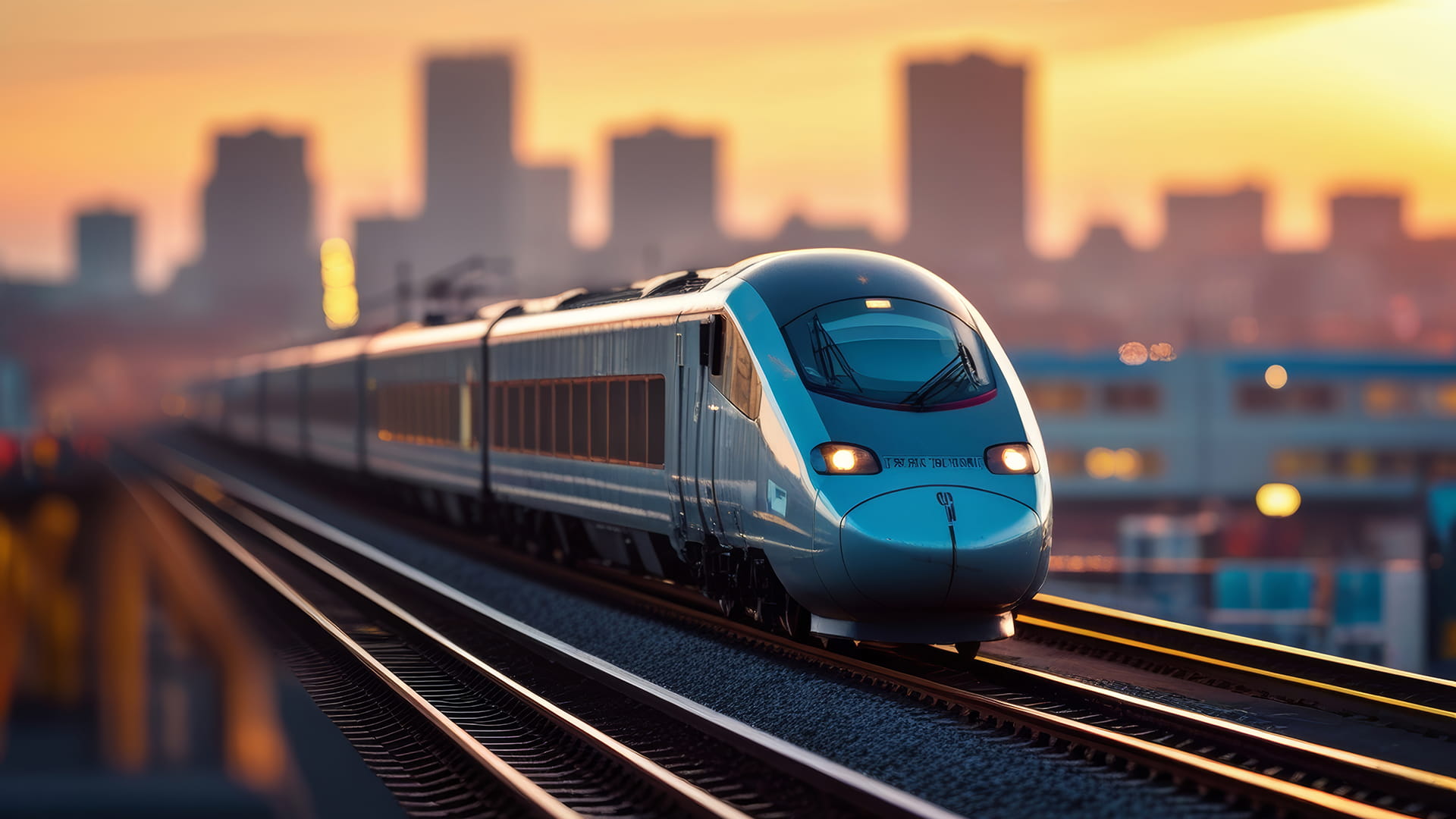
Our nation is dramatically behind other developed nations in high-speed rail infrastructure. China, Japan, France, and Spain invested in extensive networks of rail with speeds over 150 miles per hour. The only operational route in the United States is Amtrak’s Acela in limited stretches on the Northeast Corridor with lower averages because of aging infrastructure.
Much like the frontier in the late 19th century when the first rail tracks were set, it will create economic corridors and link major metropolitan areas. National high-speed rail will allow workers to live further away from job centers with reasonable commutes as employers increasingly return to in-office attendance.
National high-speed rail is also a climate imperative as transportation accounts for the largest share (28 percent) of U.S. greenhouse gas emissions with aviation and automobiles as the major contributors. High-speed rail produces dramatically lower emissions per passenger per mile for trips under 500 miles than cars and planes. Electric high-speed rail reduces the nation’s vulnerability to oil price fluctuations and supply disruptions with less reliance on fossil fuels contributing to climate change.
The U.S. must commit itself to high-speed rail as a critical national infrastructure priority comparable to the Interstate Highway System of the 1950s.
Matt is fighting for national high-speed rail. We cannot afford to continue to fall behind international competitors and lose the future. It is a national security imperative for our nation to reduce greenhouse gas emissions by moving away from fossil fuels. National high-speed rail can help us get there.
Create a dedicated funding stream to build national high-speed rail with a High-Speed Rail Trust Fund similar to the Highway Trust Fund
Establish streamline reviews to minimize endless delays
Consolidate overlapping state and federal reviews
Set firm deadlines with a one federal decision framework
Offer low-interest loans for high-speed rail construction through an expansion of the Railroad Rehabilitation and Improvement Financing (RRIF)
Authorize tax-exempt bonding authority for high-speed rail projects
Federal funding to support U.S. manufacturing development of trains and components under international technical standards
Authorize value capture for the increases in property values near stations to assist funding mechanisms as used in Hong Kong and Tokyo
Housing is too expensive. It is a financial strain that this administration made clear it has no intention to alleviate. Studies show it is a primary driver of houselessness: “high in urban areas where rents are high and homelessness rises when rents rise.” Recent data shows the median age of a first-time homebuyer is now 40 years old for the first time in history. The median age of all homebuyers jumped from 49 to 59, another record high.
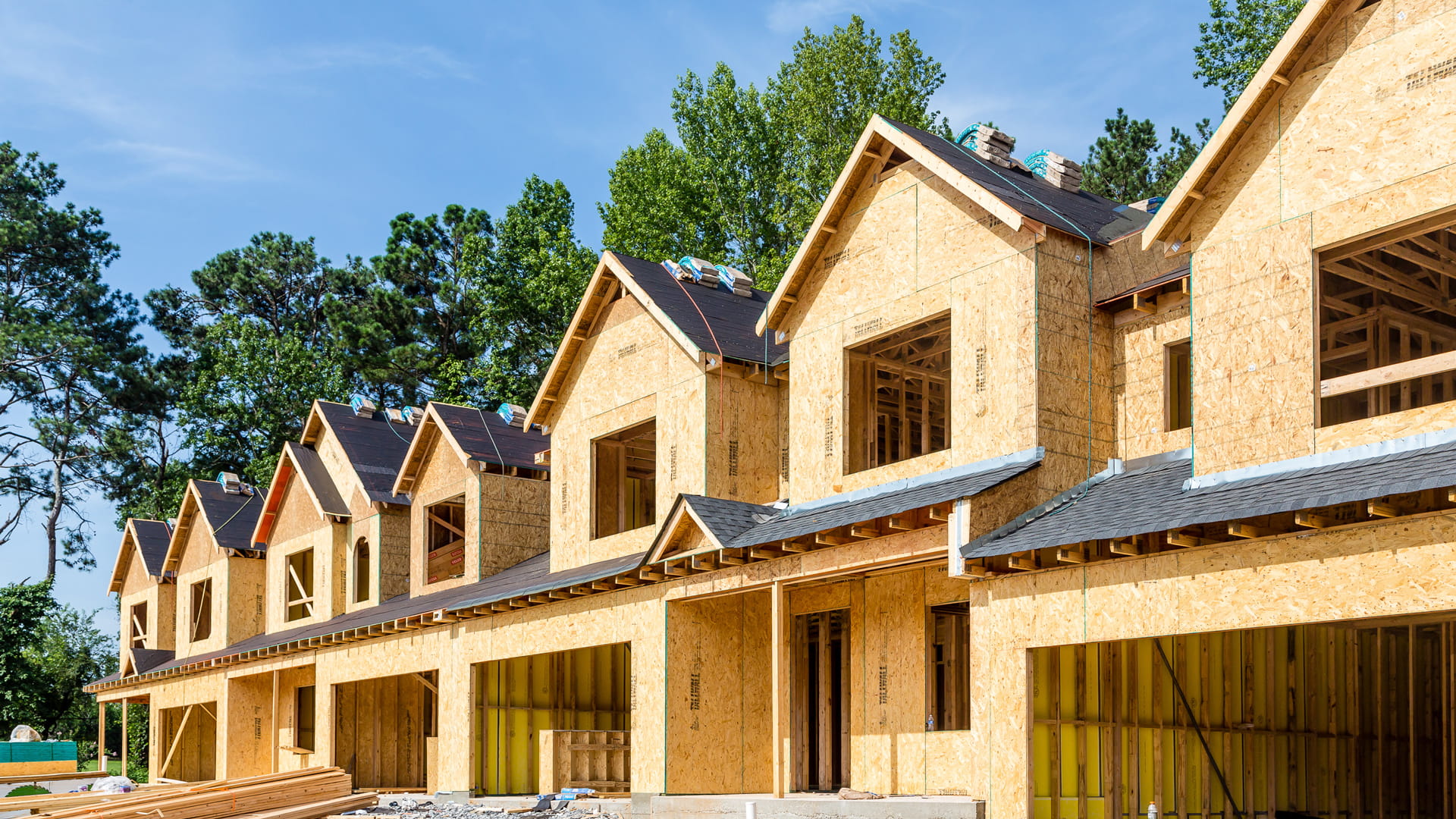
Estimates on housing inventory show a shortfall which estimates range from 2.8 million to 6.5 million homes. Data from cities like Austin, Sarasota, and Berkeley showed that when housing supply is increased through a construction boom, housing prices go down.
Prices for housing construction materials increased significantly over the past year. Upward pressure by inflation, exacerbated by this administration’s belligerent tariff regime, pushes housing costs up. The need for sustainable living spaces which require more expensive components also plays a role.
A 2025 study into the costs of multifamily housing construction found California to be the most expensive state. Higher cost per square foot and 22 month longer development timelines than Texas.
Matt will fight for federal investment in housing construction, assistance for and incentives to sell to first-time homebuyers, and put an end to these disastrous tariffs. As a renter, Matt knows the difficulty searching for affordable housing first-hand. Both he and his wife grew up in homes their parents owned. Yet, like many families, homeownership is out of reach for them.
Put the power of the federal government behind a nationwide effort to build millions of more affordable housing.
Federal housing construction program to build millions of affordable and sustainable homes
Work with state and local authorities on zoning reform, reduce permit wait times and fee burdens while maintaining labor protections and environmental standards
Adopt sustainable smart growth strategies with housing and retail developed in and near transit hubs to create walkable communities
Revoke the disastrous tariffs which increase the cost of building materials like timber from Canada
Invest in apprenticeships and training programs to shore up labor shortages
Federal downpayment assistance to first-time homebuyers
Provide financial incentives for developers and homeowners to sell to first-time homebuyers
Restrict ownership of housing properties by large LLCs
This administration’s roll back of the foundation of federal climate action will only exacerbate the climate crisis and put lives at risk.
We have a moral obligation to our children and future generations to ensure they inherit an inhabitable planet. To counter the continuing effects of climate change, we must push for the Green New Deal. Our planet demands it. Our children’s future requires it.
Matt is fighting for the Green New Deal. A significant investment in renewable energy, construction, manufacturing, and retrofits will create millions of good-paying unionized jobs. A transition away from fossil fuels to clean, renewable energy would lead to reduced air and water pollution. The public health benefits would prevent hundreds of thousands of premature deaths and reduce health care costs. The abandonment of fossil fuels is a national security imperative. Domestic production of clean energy reduces reliance on foreign oil. Our economy would experience fewer geopolitical and natural disaster shocks.