Impeachment
This is the most corrupt administration in American history. Criminal acts are carried out in the open near daily. We are a nation of laws. The rule of law must be protected and upheld.
Matt will fight for impeachment. Accountability for this administration and its actions must be relentless. Its crimes must be made plain for the American people. A judgment by the Congress must be registered with history. We must act in accordance with the demands this emergency requires.
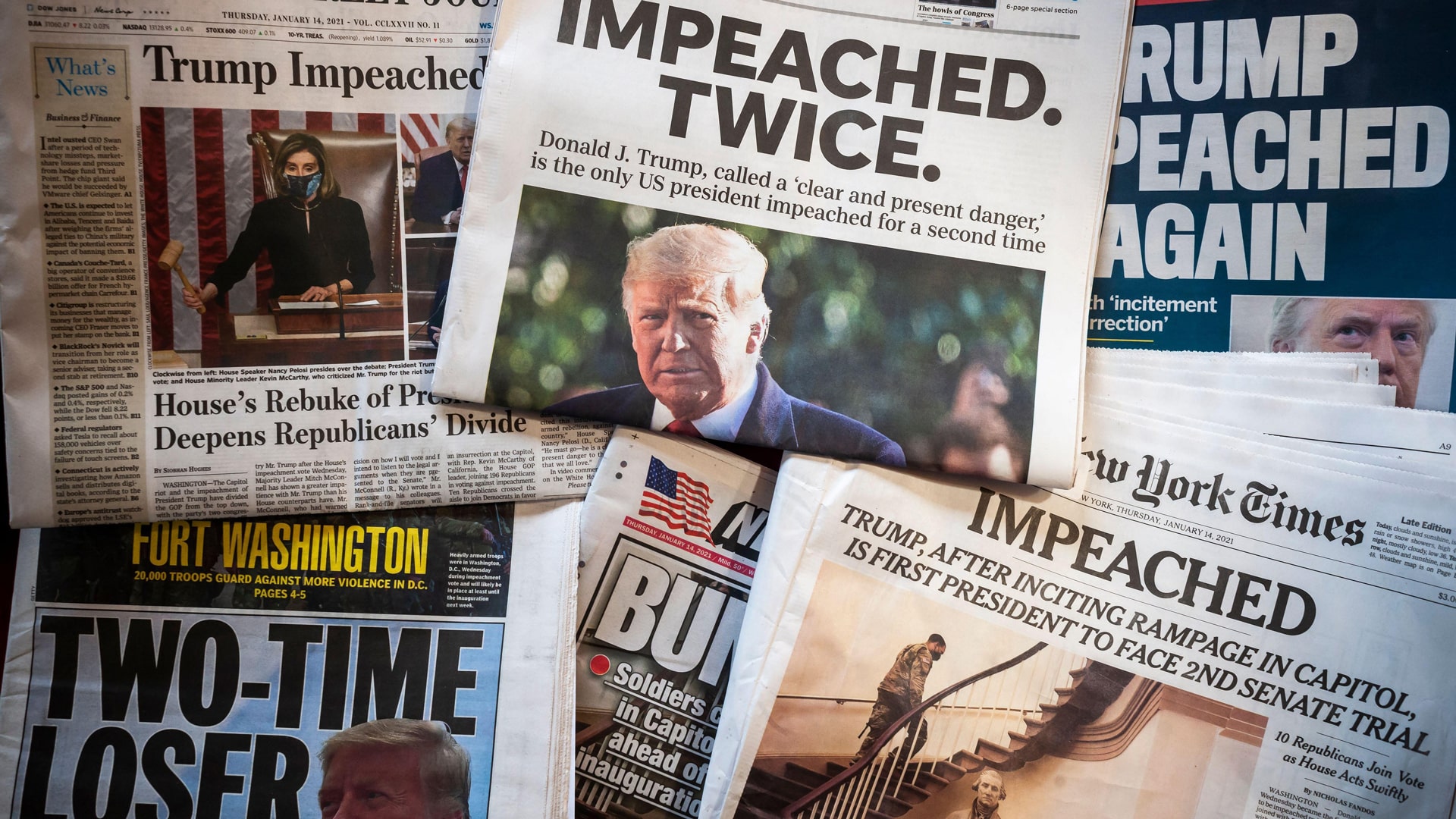
Impeachment of Donald Trump
Donald Trump must be impeached for an unprecedented third time. These offenses include but are not limited to:
- Abuse of “emergency” powers, such as federalization of National Guard units and imposition of tariffs, when no such conditions are present.
- Failure to uphold his oath to preserve, protect, and defend the Constitution of the United States.
- Wage illegal regime change wars against Venezuela and Iran without congressional authorization and in violation of the U.N. charter.
- Issued orders for the U.S. military to commit war crimes.
- Self-enrichment by the president and his family.
- Obstruction of justice of lawful investigations into the president and his associates.
- Abuse of executive power to wield the Department of Justice as an agent of retribution against political opponents.
- The unlawful seizure and misappropriation of congressionally-authorized funds.
- Corrupt use of the presidential pardon power including financial inducements.
- The unlawful dismantling of federal agencies and departments established by congressional statute including the Department of Education and U.S. Agency for International Development (USAID).
- Wanton disregard for lawful court orders.
- The unlawful firing of tens of thousands of federal civil service employees.
- The unlawful firing of 17 inspectors general.
Impeachment of Cabinet members
Several cabinet members committed grave offenses and must be removed from office.
For the illegal use of force against Venezuela, a sovereign nation which has not attacked the United States:
- Secretary of State Marco Rubio
- Secretary of Defense Pete Hegseth
Attorney General Pam Bondi- CIA Director John Ratcliffe
For the premeditated murder of foreign nationals at sea:
- Secretary of State Marco Rubio
- Secretary of Defense Pete Hegseth
For crimes against humanity in the use of a foreign torture gulag:
- Secretary of State Marco Rubio
Secretary of Homeland Security Kristi Noem
For the violation of civil rights of United States citizens and lawful immigrants:
Attorney General Pam BondiSecretary of Homeland Security Kristi Noem
For the uncontrolled spread of preventable diseases which resulted in the loss of life:
- Secretary of Health and Human Services Robert F. Kennedy Jr.
For obstruction of justice in failure to comply with the release of the Epstein files:
Attorney General Pam Bondi
For the illegal firing of tens of thousands of federal civil service employees and the unlawful dismantling of federal agencies and departments established by congressional statute.
- Director of the Office of Management and Budget Russell Vought
For the unlawful dismantling of the Department of Education:
- Secretary of Education Linda McMahon
For the unlawful dismantling of the United States Agency for International Development (USAID):
- Secretary of State and Acting Director of USAID Marco Rubio