Our nation’s founding document declares all are created equal. We are confronted with an administration—and the political movement which swept it back into power—committed to denying these equal rights to millions of Americans including the LGBTQ+ community. It’s a campaign of erasure.
The LGBTQ+ community is under assault at every level of government. School boards, allied with far-right activists, ban books. In the last several years the ACLU tracked hundreds of anti-LGBTQ+ bills in state legislatures across the country targeting health care, driver’s licenses, and bans on facility use or athletics. With Donald Trump’s return to the White House, his administration targeted federal funding for schools over bogus claims of “gender ideology” and reversed decades of precedent on gender markers on U.S. passports.
With increased demonization of the LGBTQ+ community, violent crime against people within the LGBTQ+ community increased. A 2025 study of data from 2022 and 2023 found that LGBT people are five times more likely to be victims of crime than others. A report released earlier this year described 2025 as “one of the most dangerous years on record for LGBTQ Americans.” Half of all incidents targeted transgender and gender-nonconforming people.
Matt is fighting to protect the LGBTQ+ community and push for equality. Matt is a longtime ally of the LGBTQ+ community. In the wake of the same-sex marriage bans in 2004, he sought out renown professor, V. Spike Peterson, on the Arizona campus to conduct an independent study on marriage equality the following spring. He has long supported LGBTQ+ candidates and causes.
His allyship comes from an understanding that our futures, no matter what our background, are inextricably tied together. As President Franklin Roosevelt read from a Stephen Vincent Benét prayer in 1942, “We are all of us children of earth—grant us that simple knowledge. If our brothers are oppressed, we are oppressed. If they hunger, we hunger. If their freedom is taken away, our freedom is not secure.”
Prohibit discrimination based on sexual orientation and gender identity by passing the Equality Act
Pass the Do No Harm Act to limit how the Religious Freedom Restoration Act can be used to prevent invocation to discriminate against the LGBTQ+ community
Make HIV prevention medication universally accessible and affordable by requiring private health insurance plans cover them through the PrEP Access and Coverage Act
Pass the Real Education for Healthy Youth Act to fund comprehensive, evidence-based sex education across the U.S. with a requirement that it is LGBTQ+ inclusive
Leverage oversight powers on health care restrictions
Investigate Department of Justice subpoenas of children’s hospitals
Demand CMS cost-benefit analyses
Direct GAO to study health impacts on restrictions
Classify conversion therapy as fraudulent with the Therapeutic Fraud Prevention Act
Add sexual orientation and gender identity to the Fair Housing Act
Strengthen the Matthew Shepard and James Byrd Jr. Hate Crimes Prevention Act with increased funding for enforcement and a lowered threshold for federal intervention
Permanently end the ban on transgender people serving in the military and pass the Fit to Serve Act
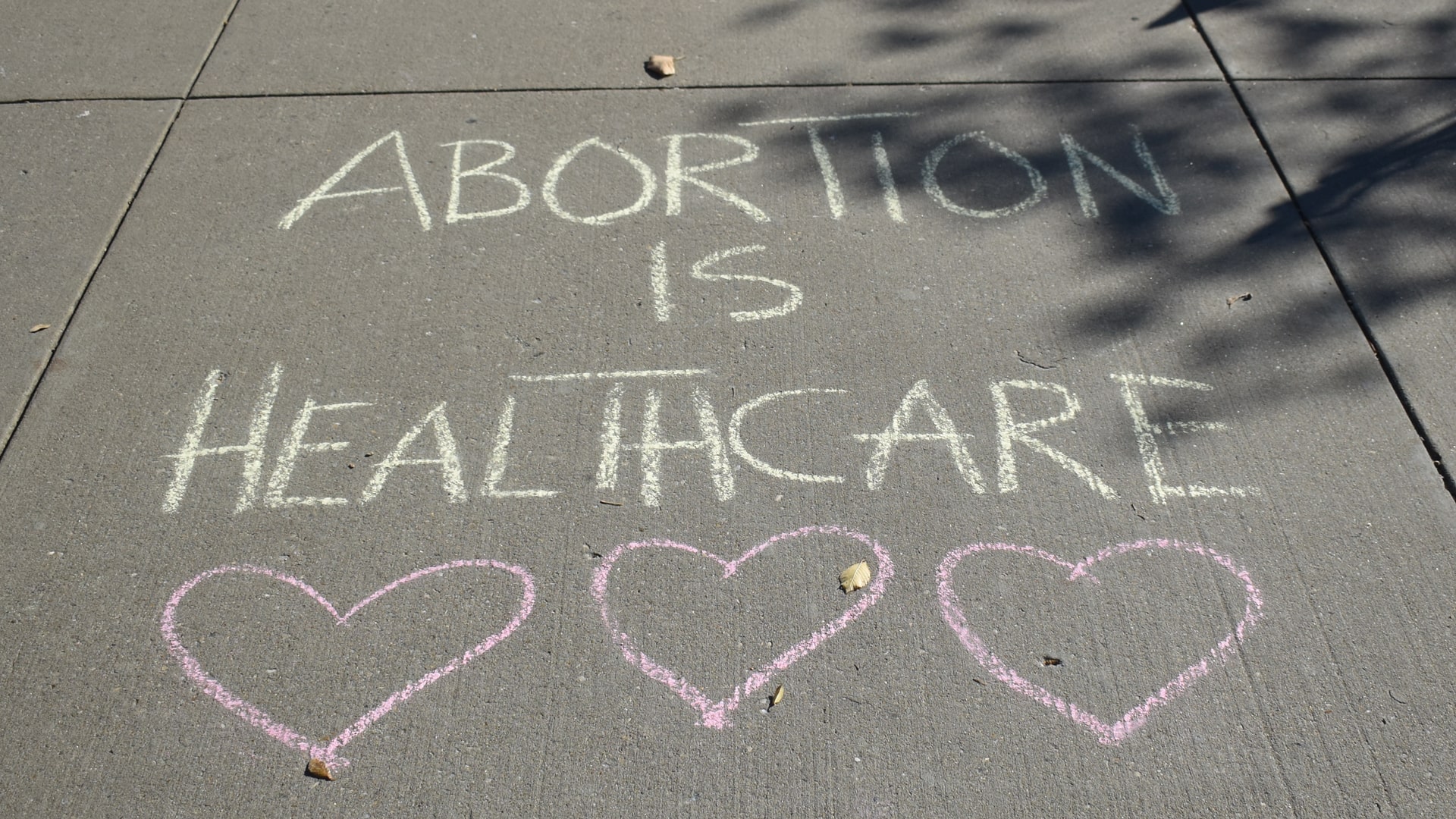
The decision on when and how to start a family is sacrosanct. It does not belong in the hands of any legislator or judge.
The situation post-Roe v. Wade is one of dramatic health and economic impacts. A 2024 study revealed the Dobbs decision led a 7 percent increase in infant mortality. Abortion bans, deeply unpopular around the country, were linked to a dramatic jump in sepsis—50 percent in Texas, for example. These burdens are, of course, borne more heavily on marginalized communities, Medicaid beneficiaries, individuals without college degrees, young people, and communities in the South.
A number of women died because they were denied abortion care when it could have saved their life.
A 2024 study found that states with the most restrictive policies experienced a combined economic loss of $64 billion as it reduced women’s labor force participation, ages 15 to 44, by 556,000.
Matt will fight to establish a national right to abortion access and protect those who seek and perform an abortion. Anti-abortion forces spent decades concocting a myriad of ways to weaken access to abortion prior to and after Dobbs. There are a number of actions Congress must undertake to restore abortion access.
Establish a statutory right to abortion with minimum standards for access
Repeal the Comstock Act to prevent a backdoor national abortion ban
Codify FDA approval of mifepristone
Shield FDA decisions from judicial meddling
Outlaw fetal personhood
Prohibit criminalization of travel to obtain an abortion
Protect those who assist an individual to obtain an abortion
Protect doctors and hospitals who perform abortions
Prohibit crisis pregnancy centers from lying to women
Prohibit government registries or databases which track personally identifying information of those who had an abortion
Prohibit civil actions and deputized private citizens as defined in Texas’ SB 8
The key to reducing the cost of health care is prevention and that requires access. With the expiration of the enhanced Affordable Care Act subsidies, we are moving in the wrong direction. This new year, many Americans see their premiums increase as high as three-, four-, or five-fold. The high cost will force many to go without insurance altogether. As many as 15 million Americans are expected to lose their Medicaid by 2034. Manageable health concerns may exacerbate without intervention leading to complications or even death. It’s poor policy that leads to sicker communities and higher costs for all.
Employer-based health insurance places a heavy financial burden on businesses. It disadvantages small businesses of whom only 51 percent cover partial insurance premiums in 2025. (Down from 56 percent two years ago.)
It restricts the free movement of labor. Workers may fear losing their health insurance and stay in a job with less professional growth and limited wage increases. At a time of high costs for groceries, child care, and more, it infringes on Americans’ freedom to live our lives.
The fact of the matter is that health insurance is not health care. The health insurance industry’s model is simple: profit off exorbitant premiums and deny care.
Matt will fight for Medicare for All. It will save Americans money, maintain private medical practices and bolster rural hospitals, and lead to healthier lives. Americans, with greater economic freedom, will be able to pursue professional advancement and higher wages without fear of losing their health care.