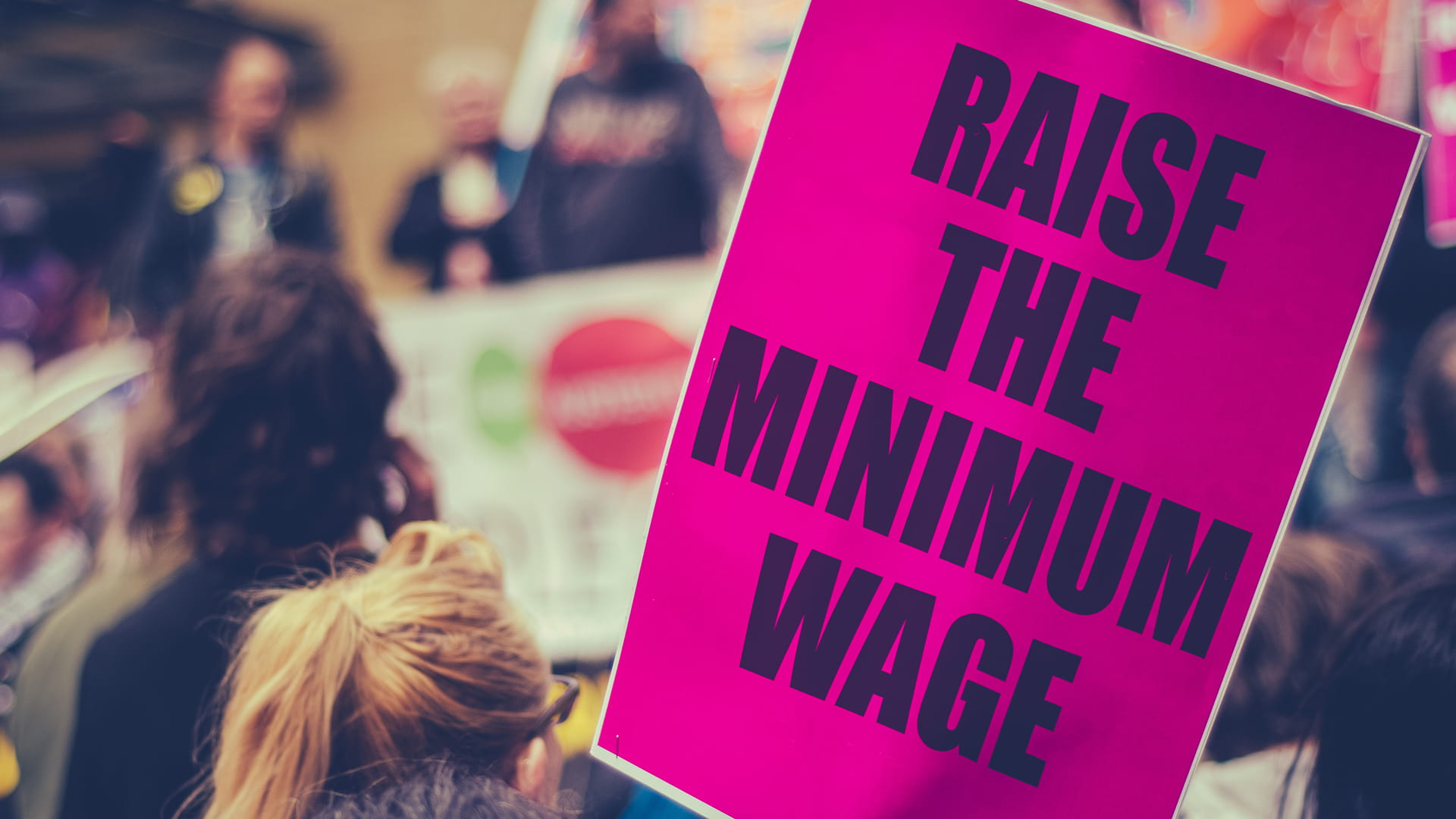
The current federal minimum wage stands at $7.25 an hour—unchanged since 2009. A full-time minimum wage worker earns roughly $15,960 annually before taxes. That’s almost $1,000 below the federal poverty level (FPL) guideline for a single individual. A literal poverty wage.
With each increase in the cost of living the purchase power of minimum wage workers steadily declines. Working people need a raise.
Matt is fighting to raise the minimum wage. With this administration’s disastrous economic policies increasing the cost of living for Americans, it is especially difficult on those at the bottom of the income strata.
Gradual increase of the minimum wage to $20 in 2030.
Index the minimum wage to the Consumer Price Index to avoid prolonged periods without an increase
Require quarterly reviews to ensure the minimum wage keeps pace with median earnings
Extend the transition period to 2034 for employers with under 50 employees
Increase the youth minimum wage under the Fair Labor Standards Act from $4.25 an hour to $12 an hour by 2030
The achievements of the labor movement cannot be understated. An eight-hour workday and the concept of the weekend were dramatic departures from the brutal 12 to 16 hour workdays, often six or seven days a week. Workdays were not just shorter and fewer. Workplaces became more safe with better working conditions from tough labor organizing and tragedy.
Advances for workers through labor organizing do not stop there but collective bargaining rights are under persistent attack. Employers illegally fire pro-union workers in roughly 20 percent, one in five, of every union organizing effort. Include illegal threats and other unlawful conduct, the number increases to 41.5 percent of all campaigns. The consequences for such actions are relatively nil.
Employers exploit existing law to stall, delay a unionization vote, and buy time and undermine workers. Roughly 90 percent of employers require employees to attend mandatory meetings—captive audiences—to deliver anti-union messaging or threatened with a reprimand or firing. Efforts to rectify these union-busting tactics were reversed with a new president. Employers often slow walk negotiations on collective bargaining agreements. More than a half of all workers who voted to form a union are without a collective bargaining agreement. Stall tactics effectively negate unionization authorized by the workforce.
The PRO Act is designed update current law to account for these aggressive tactics by employers seeking to deny workers a union. Its passage would be the most sweeping advancement of collective bargaining rights in generations.
Matt is fighting to pass the PRO Act to protect collective bargaining rights against unlawful interference from employers.
The PRO Act would:
Codify regulatory protections for unionization votes into law and protect against manipulation by employers
Prohibit captive audience meetings
Require transparency on union-busting activities by employers
Allow employees to use company platforms like email to conduct union organizing
Establish mediation and arbitration processes to secure an initial collective bargaining agreement
Employers no longer able to permanently replace striking employees
Expansion of fines, damages, and civil penalties
Narrow the definition of “supervisor” and expand the definition of “employee” to combat employer-induced misclassification
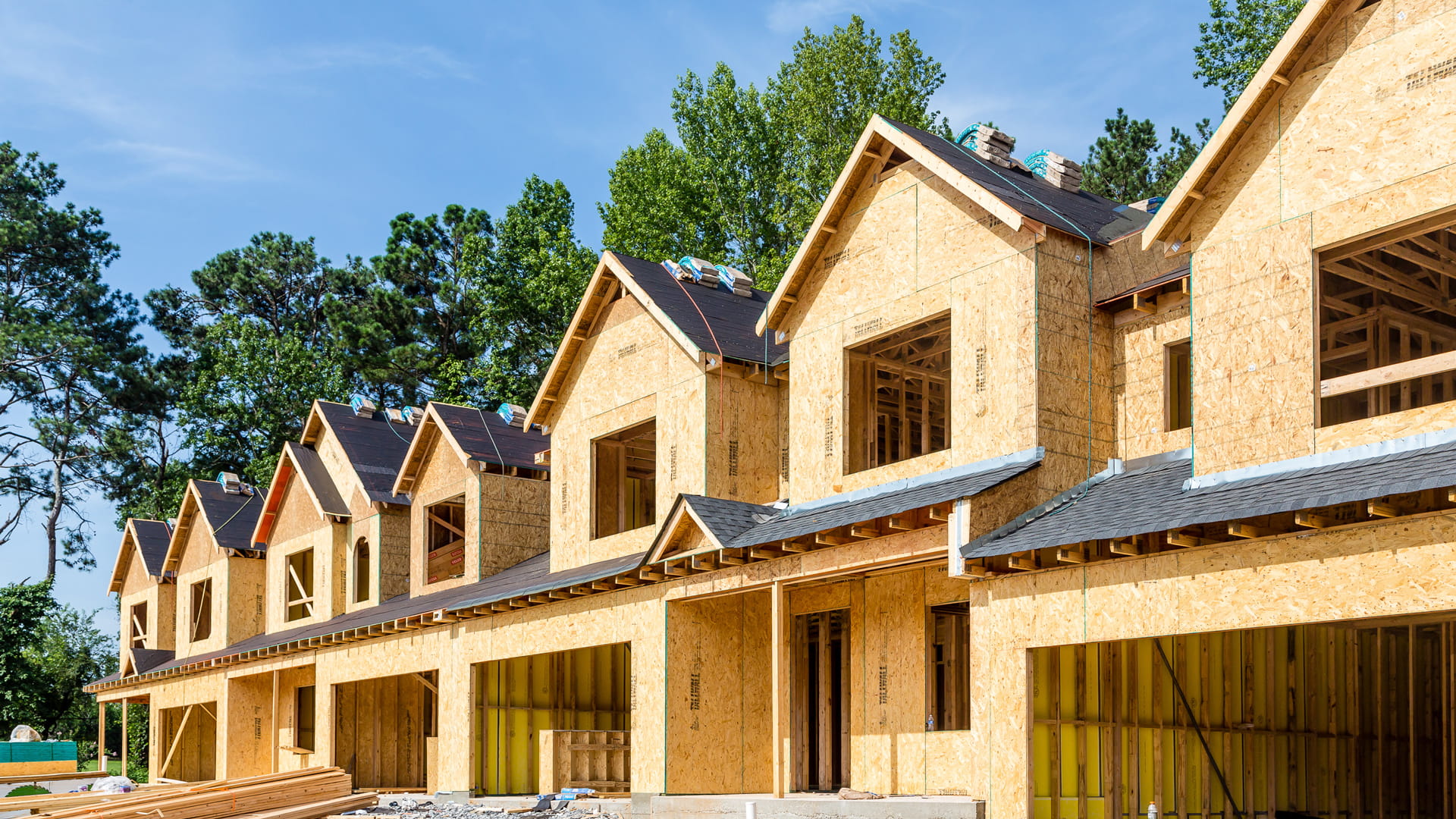
Housing is too expensive. It is a financial strain that this administration made clear it has no intention to alleviate. Studies show it is a primary driver of houselessness: “high in urban areas where rents are high and homelessness rises when rents rise.” Recent data shows the median age of a first-time homebuyer is now 40 years old for the first time in history. The median age of all homebuyers jumped from 49 to 59, another record high.
Estimates on housing inventory show a shortfall which estimates range from 2.8 million to 6.5 million homes. Data from cities like Austin, Sarasota, and Berkeley showed that when housing supply is increased through a construction boom, housing prices go down.
Prices for housing construction materials increased significantly over the past year. Upward pressure by inflation, exacerbated by this administration’s belligerent tariff regime, pushes housing costs up. The need for sustainable living spaces which require more expensive components also plays a role.
A 2025 study into the costs of multifamily housing construction found California to be the most expensive state. Higher cost per square foot and 22 month longer development timelines than Texas.
Matt will fight for federal investment in housing construction, assistance for and incentives to sell to first-time homebuyers, and put an end to these disastrous tariffs. As a renter, Matt knows the difficulty searching for affordable housing first-hand. Both he and his wife grew up in homes their parents owned. Yet, like many families, homeownership is out of reach for them.
Put the power of the federal government behind a nationwide effort to build millions of more affordable housing.
Federal housing construction program to build millions of affordable and sustainable homes
Work with state and local authorities on zoning reform, reduce permit wait times and fee burdens while maintaining labor protections and environmental standards
Adopt sustainable smart growth strategies with housing and retail developed in and near transit hubs to create walkable communities
Revoke the disastrous tariffs which increase the cost of building materials like timber from Canada
Invest in apprenticeships and training programs to shore up labor shortages
Federal downpayment assistance to first-time homebuyers
Provide financial incentives for developers and homeowners to sell to first-time homebuyers
Restrict ownership of housing properties by large LLCs